Question A:
If the US enacts a tax bill similar to those currently moving through the House and Senate — and assuming no other changes in tax or spending policy — US GDP will be substantially higher a decade from now than under the status quo.
Responses
Responses weighted by each expert's confidence
Question B:
If the US enacts a tax bill similar to those currently moving through the House and Senate — and assuming no other changes in tax or spending policy — the US debt-to-GDP ratio will be substantially higher a decade from now than under the status quo.
Responses
Responses weighted by each expert's confidence
Question A Participant Responses
| Participant | University | Vote | Confidence | Bio/Vote History |
|---|---|---|---|---|
 Daron Acemoglu |
MIT | Bio/Vote History | ||
|
The simplification of the tax code could be beneficial, but it is more than offset by its highly regressive nature.
|
||||
 Alberto Alesina |
Harvard | Did Not Answer | Bio/Vote History | |
|
|
||||
 Joseph Altonji |
Yale | Did Not Answer | Bio/Vote History | |
|
|
||||
 Alan Auerbach |
Berkeley | Bio/Vote History | ||
|
|
||||
 David Autor |
MIT | Bio/Vote History | ||
|
Tax policy appears to have little effect at the margin on GDP growth in OECD countries.
|
||||
 Katherine Baicker |
University of Chicago | Did Not Answer | Bio/Vote History | |
|
|
||||
 Abhijit Banerjee |
MIT | Bio/Vote History | ||
|
|
||||
 Marianne Bertrand |
Chicago | Bio/Vote History | ||
|
|
||||
 Markus Brunnermeier |
Princeton | Bio/Vote History | ||
|
It is more likely that GDP will be somewhat higher
|
||||
 Raj Chetty |
Harvard | Bio/Vote History | ||
|
|
||||
 Judith Chevalier |
Yale | Bio/Vote History | ||
|
|
||||
 David Cutler |
Harvard | Bio/Vote History | ||
|
|
||||
 Angus Deaton |
Princeton | Bio/Vote History | ||
|
|
||||
 Darrell Duffie |
Stanford | Bio/Vote History | ||
|
A reduced corporate tax reduction is likely to grow GDP. Whether the overall tax plan is distributionally fair is another matter.
|
||||
 Aaron Edlin |
Berkeley | Bio/Vote History | ||
|
|
||||
 Barry Eichengreen |
Berkeley | Bio/Vote History | ||
|
|
||||
 Liran Einav |
Stanford | Bio/Vote History | ||
|
|
||||
 Ray Fair |
Yale | Bio/Vote History | ||
|
|
||||
 Amy Finkelstein |
MIT | Bio/Vote History | ||
|
|
||||
 Pinelopi Goldberg |
Yale | Bio/Vote History | ||
|
|
||||
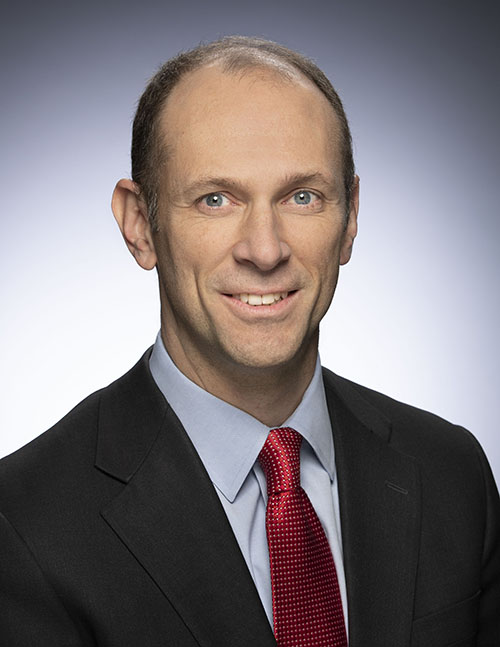 Austan Goolsbee |
Chicago | Bio/Vote History | ||
|
Of course not. Does anyone care about actual evidence anymore?
|
||||
 Michael Greenstone |
University of Chicago | Bio/Vote History | ||
|
|
||||
 Robert Hall |
Stanford | Bio/Vote History | ||
|
Though there is merit in cutting the corp tax and other capital taxes, with no other changes in policy, the fed gov will collapse.
|
||||
 Oliver Hart |
Harvard | Bio/Vote History | ||
|
The incentive effects are unclear to me. Some of the simplifications make sense but many of the changes look like hand-outs to the rich.
|
||||
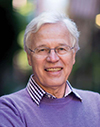 Bengt Holmström |
MIT | Bio/Vote History | ||
|
|
||||
 Caroline Hoxby |
Stanford | Did Not Answer | Bio/Vote History | |
|
|
||||
 Hilary Hoynes |
Berkeley | Bio/Vote History | ||
|
|
||||
 Kenneth Judd |
Stanford | Bio/Vote History | ||
|
|
||||
 Steven Kaplan |
Chicago Booth | Bio/Vote History | ||
|
|
||||
 Anil Kashyap |
Chicago Booth | Bio/Vote History | ||
|
doubt it will substantially change things either way
|
||||
 Pete Klenow |
Stanford | Bio/Vote History | ||
|
Expensing of investment would provide a bigger boost to the capital stock and GDP 10 years from now, per dollar of revenue lost.
|
||||
 Jonathan Levin |
Stanford | Bio/Vote History | ||
|
|
||||
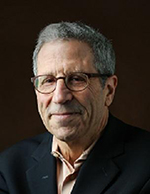 Eric Maskin |
Harvard | Bio/Vote History | ||
|
|
||||
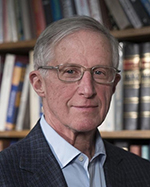 William Nordhaus |
Yale | Bio/Vote History | ||
|
Keynesian effect will have disappeared. Higher debt will probably outweigh lower corporate tax rates. Unlikely that nothing else will change
|
||||
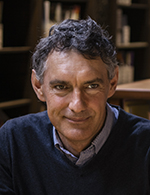 Emmanuel Saez |
Berkeley | Bio/Vote History | ||
|
|
||||
 Larry Samuelson |
Yale | Bio/Vote History | ||
|
Other factors swamp the importance of details of the tax code in determining GDP.
|
||||
 José Scheinkman |
Columbia University | Bio/Vote History | ||
|
|
||||
 Richard Schmalensee |
MIT | Bio/Vote History | ||
|
|
||||
 Carl Shapiro |
Berkeley | Bio/Vote History | ||
|
|
||||
 Robert Shimer |
University of Chicago | Bio/Vote History | ||
|
|
||||
 Richard Thaler |
Chicago Booth | Bio/Vote History | ||
|
Aside from the redistribution of wealth, hard to see this changing much.
|
||||
 Christopher Udry |
Northwestern | Bio/Vote History | ||
|
|
||||
Question B Participant Responses
| Participant | University | Vote | Confidence | Bio/Vote History |
|---|---|---|---|---|
|
Daron Acemoglu |
MIT | Bio/Vote History | ||
|
How could it be otherwise?
|
||||
|
Alberto Alesina |
Harvard | Did Not Answer | Bio/Vote History | |
|
|
||||
|
Joseph Altonji |
Yale | Did Not Answer | Bio/Vote History | |
|
|
||||
|
Alan Auerbach |
Berkeley | Bio/Vote History | ||
|
|
||||
|
David Autor |
MIT | Bio/Vote History | ||
|
Since growth is likely to be little affected, debt to GDP will rise substantially, absent offsetting policies -- which are rarely enacted
|
||||
|
Katherine Baicker |
University of Chicago | Did Not Answer | Bio/Vote History | |
|
|
||||
|
Abhijit Banerjee |
MIT | Bio/Vote History | ||
|
|
||||
|
Marianne Bertrand |
Chicago | Bio/Vote History | ||
|
|
||||
|
Markus Brunnermeier |
Princeton | Bio/Vote History | ||
|
|
||||
|
Raj Chetty |
Harvard | Bio/Vote History | ||
|
|
||||
|
Judith Chevalier |
Yale | Bio/Vote History | ||
|
|
||||
|
David Cutler |
Harvard | Bio/Vote History | ||
|
|
||||
|
Angus Deaton |
Princeton | Bio/Vote History | ||
|
|
||||
|
Darrell Duffie |
Stanford | Bio/Vote History | ||
|
By design, the plan increases debt by $1.5 trillion, net of increased-revenue effects. That seems to imply that debt to GDP will rise.
|
||||
|
Aaron Edlin |
Berkeley | Bio/Vote History | ||
|
|
||||
|
Barry Eichengreen |
Berkeley | Bio/Vote History | ||
|
|
||||
|
Liran Einav |
Stanford | Bio/Vote History | ||
|
|
||||
|
Ray Fair |
Yale | Bio/Vote History | ||
|
|
||||
|
Amy Finkelstein |
MIT | Bio/Vote History | ||
|
|
||||
|
Pinelopi Goldberg |
Yale | Bio/Vote History | ||
|
|
||||
|
Austan Goolsbee |
Chicago | Bio/Vote History | ||
|
Cut taxes. Lose money. Repeat.
|
||||
|
Michael Greenstone |
University of Chicago | Bio/Vote History | ||
|
|
||||
|
Robert Hall |
Stanford | Bio/Vote History | ||
|
Spending is on a relentless increase relative to revenue. Within 10 years, the fed gov will lose access to credit.
|
||||
|
Oliver Hart |
Harvard | Bio/Vote History | ||
|
It seems unlikely that the optimistic growth figures are correct and so the budget deficit will rise unless government cuts are made.
|
||||
|
Bengt Holmström |
MIT | Bio/Vote History | ||
|
|
||||
|
Caroline Hoxby |
Stanford | Did Not Answer | Bio/Vote History | |
|
|
||||
|
Hilary Hoynes |
Berkeley | Bio/Vote History | ||
|
|
||||
|
Kenneth Judd |
Stanford | Bio/Vote History | ||
|
|
||||
|
Steven Kaplan |
Chicago Booth | Bio/Vote History | ||
|
|
||||
|
Anil Kashyap |
Chicago Booth | Bio/Vote History | ||
|
especially worry about the lost revenue from the pass-through loopholes
-see background information here |
||||
|
Pete Klenow |
Stanford | Bio/Vote History | ||
|
|
||||
|
Jonathan Levin |
Stanford | Bio/Vote History | ||
|
|
||||
|
Eric Maskin |
Harvard | Bio/Vote History | ||
|
|
||||
|
William Nordhaus |
Yale | Bio/Vote History | ||
|
This is at least is clear. No way the growth effects will be strong enough to offset the revenue losses.
|
||||
|
Emmanuel Saez |
Berkeley | Bio/Vote History | ||
|
|
||||
|
Larry Samuelson |
Yale | Bio/Vote History | ||
|
The prospect of 5% GDP growth is absurdly unrealistic, and in its absence everyone agrees the proposed tax reform will contribute to debt.
|
||||
|
José Scheinkman |
Columbia University | Bio/Vote History | ||
|
Provided one agrees that an increase in debt of 5 to 10 percentage points of GDP is substantial.
|
||||
|
Richard Schmalensee |
MIT | Bio/Vote History | ||
|
|
||||
|
Carl Shapiro |
Berkeley | Bio/Vote History | ||
|
|
||||
|
Robert Shimer |
University of Chicago | Bio/Vote History | ||
|
|
||||
|
Richard Thaler |
Chicago Booth | Bio/Vote History | ||
|
|
||||
|
Christopher Udry |
Northwestern | Bio/Vote History | ||
|
|
||||