Question A:
The Fed should raise its target interest rate when it meets in mid-December.
Responses
Responses weighted by each expert's confidence
Question B:
The Fed should have raised interest rates sooner, rather than leaving them near zero for this long.
Responses
Responses weighted by each expert's confidence
Question A Participant Responses
| Participant | University | Vote | Confidence | Bio/Vote History |
|---|---|---|---|---|
 Daron Acemoglu |
MIT | Bio/Vote History | ||
|
Persistent low interest create credit misallocation as in the runup to the global crisis. This has to be balanced against Keynesian factors.
|
||||
 Alberto Alesina |
Harvard | Did Not Answer | Bio/Vote History | |
|
|
||||
 Joseph Altonji |
Yale | Bio/Vote History | ||
|
|
||||
 Alan Auerbach |
Berkeley | Bio/Vote History | ||
|
|
||||
 David Autor |
MIT | Bio/Vote History | ||
|
|
||||
 Katherine Baicker |
University of Chicago | Bio/Vote History | ||
|
|
||||
 Abhijit Banerjee |
MIT | Bio/Vote History | ||
|
|
||||
 Marianne Bertrand |
Chicago | Bio/Vote History | ||
|
|
||||
 Markus Brunnermeier |
Princeton | Did Not Answer | Bio/Vote History | |
|
|
||||
 Raj Chetty |
Harvard | Did Not Answer | Bio/Vote History | |
|
|
||||
 Judith Chevalier |
Yale | Bio/Vote History | ||
|
Low labor force participation rate and inflation but uncertainty over when it will happen is bad.
|
||||
 David Cutler |
Harvard | Bio/Vote History | ||
|
|
||||
 Angus Deaton |
Princeton | Bio/Vote History | ||
|
|
||||
 Darrell Duffie |
Stanford | Bio/Vote History | ||
|
The FOMC should raise, given no big interim adverse shocks, to mitigate inflation risk. The macro vital signs look healthy enough now.
|
||||
 Aaron Edlin |
Berkeley | Bio/Vote History | ||
|
|
||||
 Barry Eichengreen |
Berkeley | Bio/Vote History | ||
|
This week's job data are enough to put me somewhat reluctantly in the agree column, though I would like to see more evidence of 2% inflation
|
||||
 Liran Einav |
Stanford | Bio/Vote History | ||
|
|
||||
 Ray Fair |
Yale | Bio/Vote History | ||
|
|
||||
 Amy Finkelstein |
MIT | Did Not Answer | Bio/Vote History | |
|
|
||||
 Pinelopi Goldberg |
Yale | Bio/Vote History | ||
|
|
||||
 Austan Goolsbee |
Chicago | Bio/Vote History | ||
|
dangerous & loosening world. still no US inflation. reversal in near future would damage credibility of already credibility-deficited fed
|
||||
 Michael Greenstone |
University of Chicago | Bio/Vote History | ||
|
where are price pressures? still a lot of people missing from the labor market. boogeyman of bubbles always lurks but where is she?
-see background information here |
||||
 Robert Hall |
Stanford | Bio/Vote History | ||
|
The Fed has somewhat overstated the current level of the natural unemployment rate and fails to understand that it is falling.
|
||||
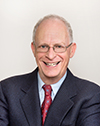 Oliver Hart |
Harvard | Bio/Vote History | ||
|
I don't think so. The recovery is still weak and there are no serious signs of inflation. Also a little inflation may be good.
|
||||
 Bengt Holmström |
MIT | Bio/Vote History | ||
|
|
||||
 Caroline Hoxby |
Stanford | Bio/Vote History | ||
|
|
||||
 Hilary Hoynes |
Berkeley | Bio/Vote History | ||
|
|
||||
 Kenneth Judd |
Stanford | Bio/Vote History | ||
|
The Fed spends many 10^7 dollars annually on econ research. In mid-2008, the Fed did not think that a crisis was at hand. With my budget...
|
||||
 Steven Kaplan |
Chicago Booth | Bio/Vote History | ||
|
|
||||
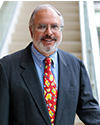 Anil Kashyap |
Chicago Booth | Bio/Vote History | ||
|
As Mike Mussa once famously said "if not now, when?".
|
||||
 Pete Klenow |
Stanford | Bio/Vote History | ||
|
Inflation has fallen below the Fed's 2% target for over three years running, and is forecast to remain below for at least awhile.
-see background information here |
||||
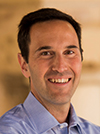 Jonathan Levin |
Stanford | Bio/Vote History | ||
|
Has more attention ever been paid to 25 basis points? We could amend the constitution with less fuss.
|
||||
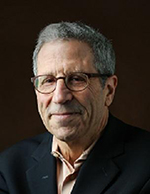 Eric Maskin |
Harvard | Bio/Vote History | ||
|
Current inflation remains far below the target level
|
||||
 William Nordhaus |
Yale | Bio/Vote History | ||
|
|
||||
 Emmanuel Saez |
Berkeley | Bio/Vote History | ||
|
|
||||
 Larry Samuelson |
Yale | Bio/Vote History | ||
|
The conventional wisdom is that the strong November jobs report clinches a rate increase, and I see no reason to disagree.
|
||||
 José Scheinkman |
Columbia University | Bio/Vote History | ||
|
|
||||
 Richard Schmalensee |
MIT | Bio/Vote History | ||
|
|
||||
 Carl Shapiro |
Berkeley | Bio/Vote History | ||
|
|
||||
 Robert Shimer |
University of Chicago | Bio/Vote History | ||
|
|
||||
 Richard Thaler |
Chicago Booth | Bio/Vote History | ||
|
.25 bps doesn't matter much either way. It is the slope that matters. Go slow I say.
|
||||
 Christopher Udry |
Northwestern | Bio/Vote History | ||
|
|
||||
Question B Participant Responses
| Participant | University | Vote | Confidence | Bio/Vote History |
|---|---|---|---|---|
|
Daron Acemoglu |
MIT | Bio/Vote History | ||
|
|
||||
|
Alberto Alesina |
Harvard | Did Not Answer | Bio/Vote History | |
|
|
||||
|
Joseph Altonji |
Yale | Bio/Vote History | ||
|
|
||||
|
Alan Auerbach |
Berkeley | Bio/Vote History | ||
|
|
||||
|
David Autor |
MIT | Bio/Vote History | ||
|
|
||||
|
Katherine Baicker |
University of Chicago | Bio/Vote History | ||
|
|
||||
|
Abhijit Banerjee |
MIT | Bio/Vote History | ||
|
|
||||
|
Marianne Bertrand |
Chicago | Bio/Vote History | ||
|
|
||||
|
Markus Brunnermeier |
Princeton | Did Not Answer | Bio/Vote History | |
|
|
||||
|
Raj Chetty |
Harvard | Did Not Answer | Bio/Vote History | |
|
|
||||
|
Judith Chevalier |
Yale | Bio/Vote History | ||
|
|
||||
|
David Cutler |
Harvard | Bio/Vote History | ||
|
|
||||
|
Angus Deaton |
Princeton | Bio/Vote History | ||
|
|
||||
|
Darrell Duffie |
Stanford | Bio/Vote History | ||
|
It's been a close call. That the tradeoffs favored an earlier exit was not clear. Inflation was too low. Job creation was moderately good.
|
||||
|
Aaron Edlin |
Berkeley | Bio/Vote History | ||
|
|
||||
|
Barry Eichengreen |
Berkeley | Bio/Vote History | ||
|
|
||||
|
Liran Einav |
Stanford | Bio/Vote History | ||
|
|
||||
|
Ray Fair |
Yale | Bio/Vote History | ||
|
|
||||
|
Amy Finkelstein |
MIT | Did Not Answer | Bio/Vote History | |
|
|
||||
|
Pinelopi Goldberg |
Yale | Bio/Vote History | ||
|
|
||||
|
Austan Goolsbee |
Chicago | Bio/Vote History | ||
|
no way
|
||||
|
Michael Greenstone |
University of Chicago | Bio/Vote History | ||
|
fiscal policy was absent after the stimulus (see link) even today millions of potential workers are missing from the job market
-see background information here |
||||
|
Robert Hall |
Stanford | Bio/Vote History | ||
|
The Fed's job is to stabilize inflation, barring significant inflationary shocks, and inflation continues to run below any reasonable target
|
||||
|
Oliver Hart |
Harvard | Bio/Vote History | ||
|
See answer to last question.
|
||||
|
Bengt Holmström |
MIT | Bio/Vote History | ||
|
|
||||
|
Caroline Hoxby |
Stanford | Bio/Vote History | ||
|
|
||||
|
Hilary Hoynes |
Berkeley | Bio/Vote History | ||
|
|
||||
|
Kenneth Judd |
Stanford | Bio/Vote History | ||
|
I cannot be more knowledgeable than the Fed.
|
||||
|
Steven Kaplan |
Chicago Booth | Bio/Vote History | ||
|
Delay in raising may have inflated asset prices.
|
||||
|
Anil Kashyap |
Chicago Booth | Bio/Vote History | ||
|
certainly would have voted to raise in september, there are always excuses to delay, time to put two way risk back into the bond market
|
||||
|
Pete Klenow |
Stanford | Bio/Vote History | ||
|
|
||||
|
Jonathan Levin |
Stanford | Bio/Vote History | ||
|
|
||||
|
Eric Maskin |
Harvard | Bio/Vote History | ||
|
Inflation was low and the recovery was weak---low interest rates seemed indicated.
|
||||
|
William Nordhaus |
Yale | Bio/Vote History | ||
|
Note that this does not allow for those who think should be later. Survey bias.
|
||||
|
Emmanuel Saez |
Berkeley | Bio/Vote History | ||
|
|
||||
|
Larry Samuelson |
Yale | Bio/Vote History | ||
|
Inflation has been surprising dormant, so there appear to have been few adverse consequences of prolonged low rates.
|
||||
|
José Scheinkman |
Columbia University | Bio/Vote History | ||
|
|
||||
|
Richard Schmalensee |
MIT | Bio/Vote History | ||
|
|
||||
|
Carl Shapiro |
Berkeley | Bio/Vote History | ||
|
|
||||
|
Robert Shimer |
University of Chicago | Bio/Vote History | ||
|
But only two meetings ago, in October
|
||||
|
Richard Thaler |
Chicago Booth | Bio/Vote History | ||
|
Congress gave them no choice. We should have been borrowing at negative r and building infrastructure. And no inflation in sight.
|
||||
|
Christopher Udry |
Northwestern | Bio/Vote History | ||
|
|
||||